Compounded semaglutide & tirzepatide, without the hand-waving.
What compounding actually is, how 503A and 503B pharmacies are regulated, where compounded GLP-1s stand legally, what they cost next to the brand-name pens, and the six questions worth asking any provider before you hand over a card.
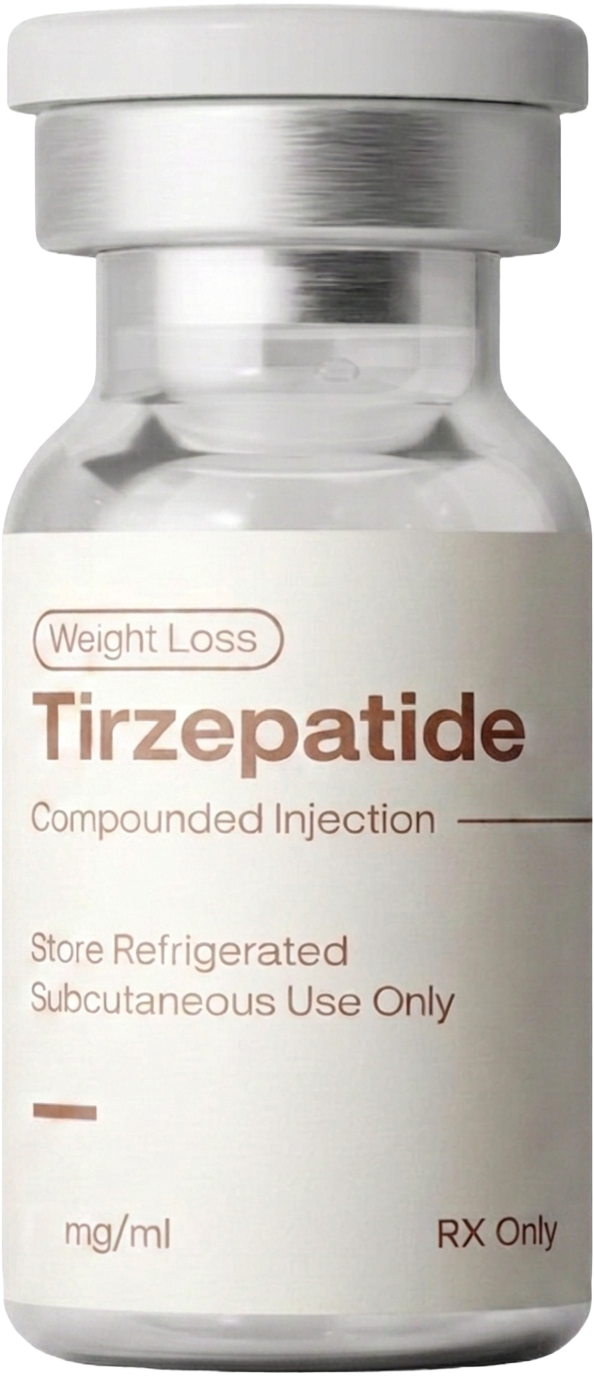
What "compounded" actually means
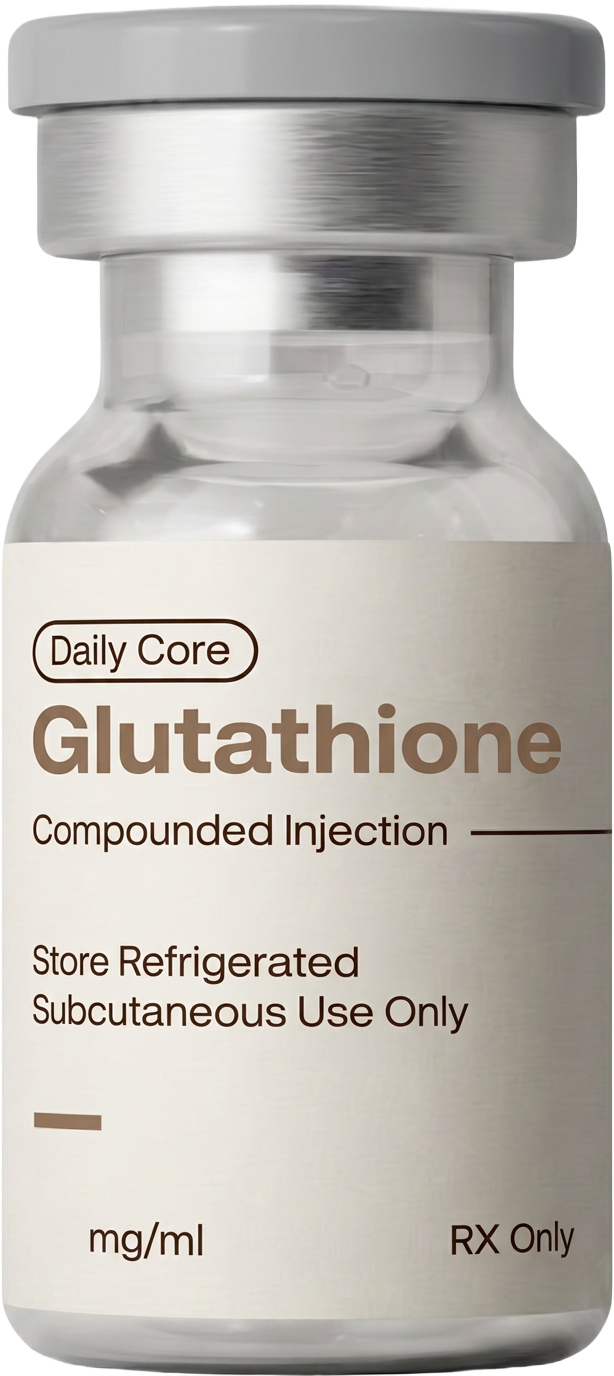
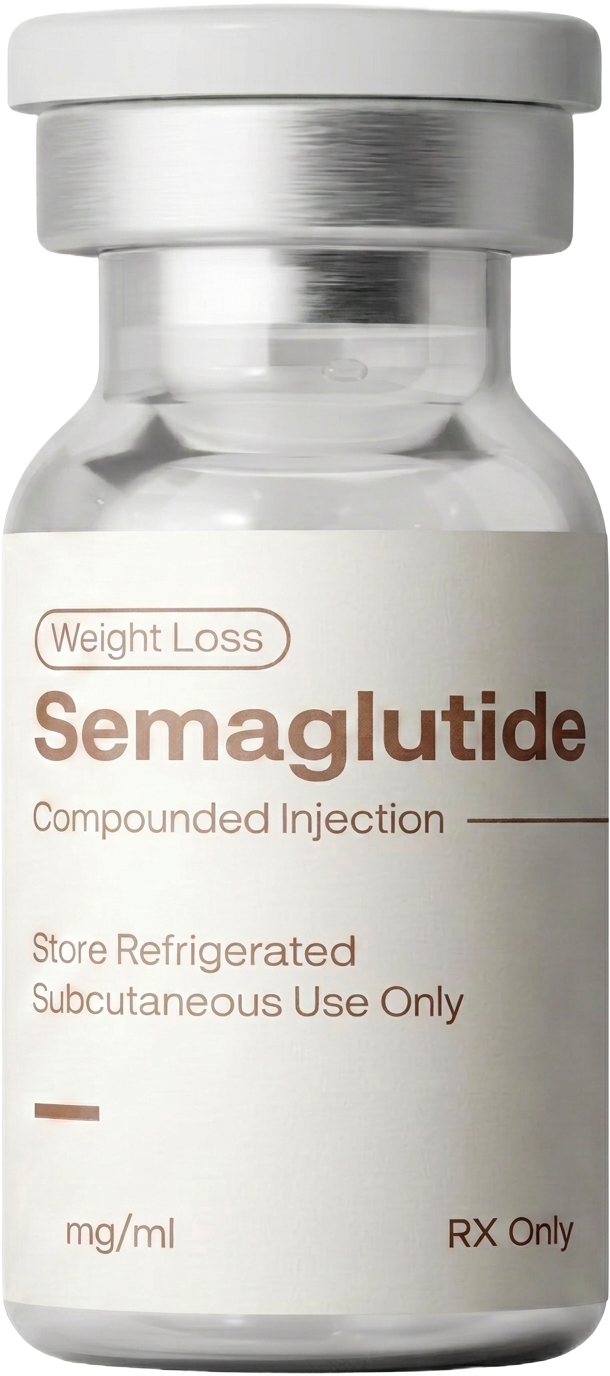
Compounding is the practice of a licensed pharmacy preparing a medication for a specific patient against a specific prescription. It predates the modern pharmaceutical industry and is written into federal law under sections 503A and 503B of the Federal Food, Drug, and Cosmetic Act. A compounded GLP-1 uses the same active molecule as the brand-name product — semaglutide or tirzepatide — prepared in the strength and format your clinician specifies, most often a multi-dose vial you draw with a syringe rather than a fixed-dose pen.
The practical difference patients notice is flexibility and price. A vial lets a clinician hold you between standard dose rungs when your body asks for a slower climb, and it removes the pen-manufacturing cost that makes brand-name GLP-1s a four-figure monthly line item.
Compounded medications are not FDA-approved. The FDA does not review them for safety, effectiveness, or manufacturing quality the way it reviews an approved drug. That is true of every compounded medication from every provider, and any company that implies otherwise is misleading you.
503A vs 503B: who is allowed to make it
Compounding pharmacies fall into two regulatory categories. Both are legitimate; they are held to different standards and used for different jobs.
A traditional compounding pharmacy licensed by its state board of pharmacy. It prepares medication one patient at a time against an individual prescription, following USP sterile-compounding standards. Oversight is primarily at the state level, with FDA authority over the underlying ingredients.
A facility that registers directly with the FDA, compounds in larger batches, and must meet Current Good Manufacturing Practice (cGMP) requirements with routine FDA inspection — a materially higher bar than 503A, closer to how conventional drug manufacturing is regulated.
Taggs works exclusively with pharmacies in one of these two categories. Read the full disclosure on our pharmacy partner page.
How Taggs sources and tests
Prescriptions are dispensed by Rush Pharmacy, an independently owned, state-licensed pharmacy. Taggs works exclusively with 503A state-licensed compounding pharmacies and FDA-registered 503B outsourcing facilities — never overseas sellers or unlicensed suppliers.
Compounded preparations are tested by independent laboratories for potency, sterility, and endotoxins before release. Taggs does not use semaglutide or tirzepatide salt forms.
Every order follows a telehealth evaluation by a US-licensed clinician in the Remedora network. If a compounded GLP-1 is not clinically appropriate for you, it is not prescribed — there is no way to buy your way past that step.
Where the law actually stands
While semaglutide and tirzepatide were listed on the FDA drug shortage list, pharmacies were permitted to compound copies of them at scale. Those shortages have since been resolved, and that broad allowance ended with them. Compounding these molecules remains lawful, but it now has to rest on an individualized clinical rationale — a documented reason the compounded preparation is appropriate for you specifically, rather than a cheaper substitute dispensed by default.
That judgment belongs to your clinician, not to a checkout page. At Taggs it happens during your telehealth evaluation, before anything is prescribed. Providers still selling mass-produced "generic Ozempic" with no clinical review are the ones to be wary of.
Compounded vs brand-name, side by side
| Compounded (Taggs) | Brand-name pen | |
|---|---|---|
| Active molecule | Semaglutide or tirzepatide base | Semaglutide or tirzepatide base |
| FDA approval | Not FDA-approved as a finished product | FDA-approved |
| Who prepares it | 503A pharmacy or 503B outsourcing facility, per prescription | Novo Nordisk / Eli Lilly manufacturing |
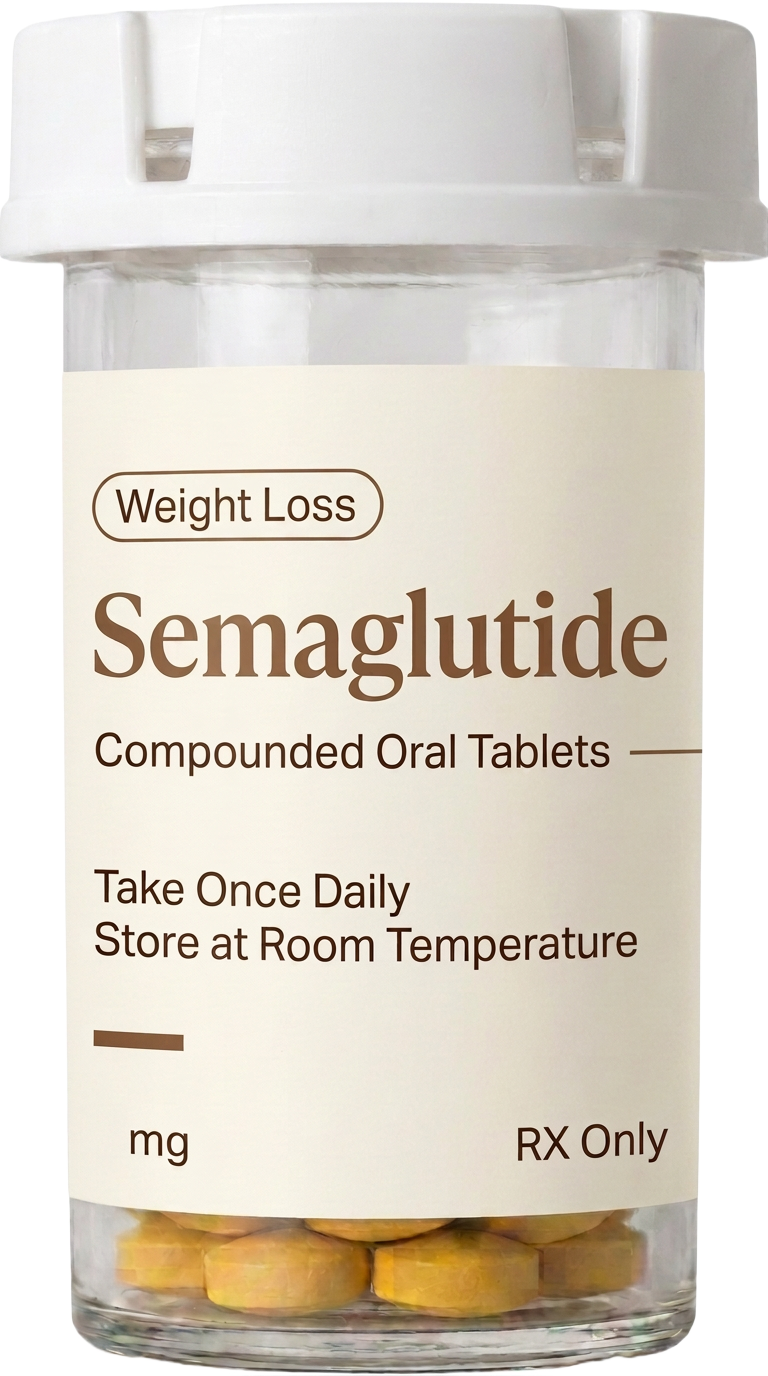
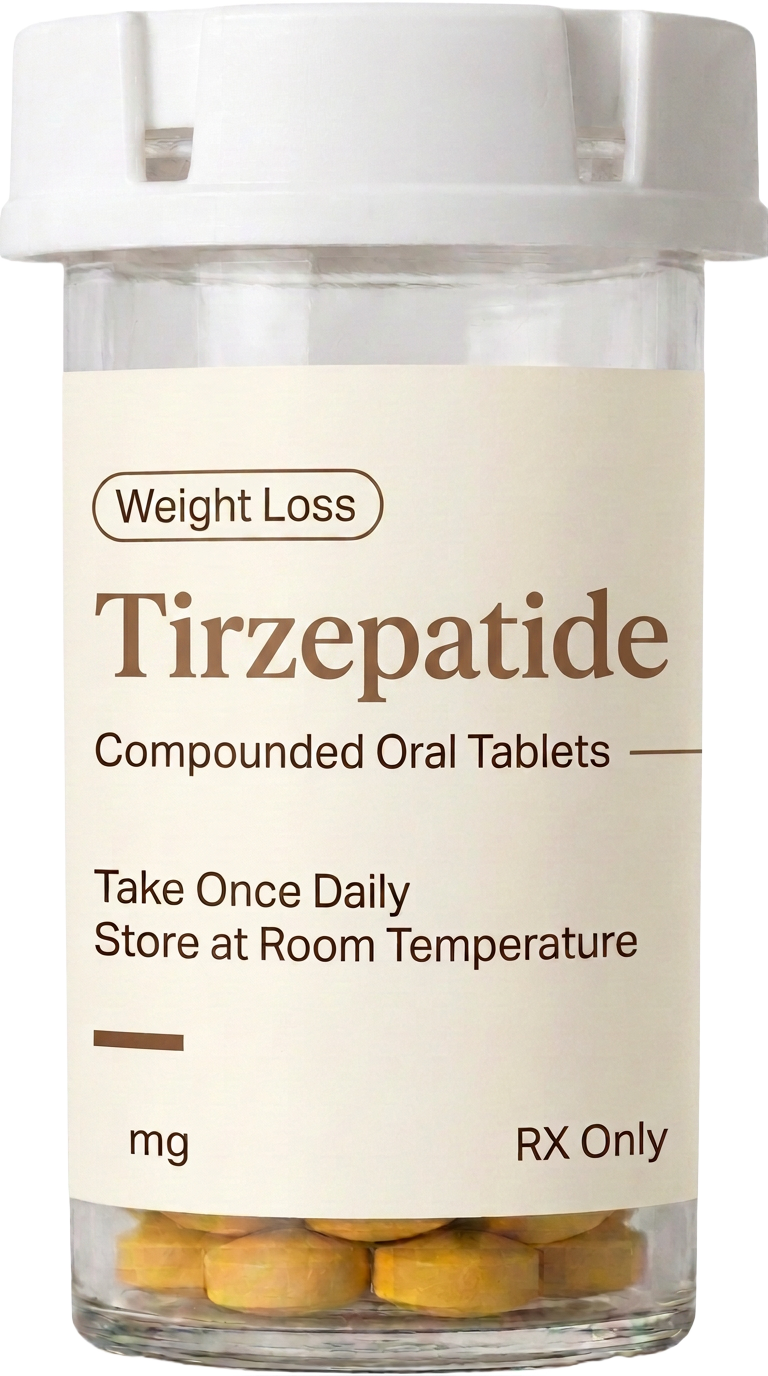
| Format | Multi-dose vial and syringe, or oral tablet | Fixed-dose autoinjector pen |
| Dose flexibility | Clinician can set doses between standard rungs | Fixed pen increments |
| Typical monthly cost | $179–$239 through Taggs, visit and shipping included | Roughly $1,000–$1,350 list; mid-hundreds on manufacturer cash programs |
| Insurance | Not billed to insurance; FSA/HSA reimbursement often eligible | Covered only if your plan includes weight-loss drugs |
Brand-name figures reflect publicly published manufacturer list prices and direct-pay programs, which change over time; check the manufacturer directly for current pricing.
Six questions to ask any provider
Use these on us too. A provider who dodges any of them is telling you something.
- Which pharmacy compounds my medication, and is it 503A state-licensed or an FDA-registered 503B facility?
- Is the active ingredient semaglutide or tirzepatide base — not a salt form like sodium or acetate?
- Is each batch tested by an independent lab for potency, sterility, and endotoxins?
- Will a US-licensed clinician review my history before anything is prescribed?
- What is the full monthly price, and does it include the visit, shipping, and injection supplies?
- Who do I contact if I have a side effect at 9pm on a Sunday?
The compounded GLP-1s we prescribe
Common questions
What is compounded semaglutide or tirzepatide?+
A compounded medication is prepared by a licensed pharmacy for an individual patient against a valid prescription, rather than mass-produced and packaged by the drug's manufacturer. Compounded semaglutide and tirzepatide contain the same active molecules used in the brand-name products, prepared in a formulation and strength your prescriber specifies — for example a multi-dose vial you draw with a syringe instead of a fixed-dose pen.
Is compounded semaglutide FDA-approved?+
No, and no compounded drug is. Compounded medications are not reviewed by the FDA for safety, effectiveness, or manufacturing quality the way an approved product like Ozempic, Wegovy, Mounjaro, or Zepbound is. The pharmacies that prepare them are regulated — by state boards of pharmacy and, for 503B outsourcing facilities, directly by the FDA — but the finished preparation itself does not carry an FDA approval. Any prescriber who tells you otherwise is wrong.
What is the difference between a 503A and a 503B pharmacy?+
A 503A pharmacy is a traditional state-licensed compounding pharmacy: it prepares medication patient by patient, against an individual prescription, under USP <797> sterile-compounding standards. A 503B outsourcing facility registers with the FDA, compounds in larger batches, and is held to Current Good Manufacturing Practice (cGMP) requirements with routine FDA inspection. Taggs works with both, depending on the medication.
Is compounded semaglutide legal?+
Compounding is a long-standing, lawful part of pharmacy practice under sections 503A and 503B of the Federal Food, Drug, and Cosmetic Act. What compounding cannot lawfully be is a copy of a commercially available approved drug produced at scale — that was permitted while semaglutide and tirzepatide were on the FDA shortage list, and those shortages have since been resolved. Compounded GLP-1s today must be prescribed because a specific clinical need makes the compounded preparation appropriate for you as an individual patient, which is a judgment only your licensed clinician can make.
How much does compounded semaglutide cost compared to brand-name?+
Manufacturer list prices for brand-name GLP-1s run roughly $1,000–$1,350 per month before insurance, and the manufacturers' own direct-pay programs typically land in the mid-hundreds. Taggs plans start at $179/month for semaglutide and $229/month for tirzepatide, with the telehealth visit, shipping, and injection supplies included — no insurance required.
How do I know a compounded GLP-1 is what it claims to be?+
Ask where it is compounded and whether that pharmacy is state-licensed and, where applicable, FDA-registered as a 503B facility. Ask whether the active ingredient comes from an FDA-registered API supplier, and whether the finished preparation is tested by an independent laboratory for potency, sterility, and endotoxins. A legitimate provider will answer all three in writing. Be cautious of anything sold without a prescription, shipped from overseas, or labeled 'research use only' — those are not compounded medications.
Are salt forms like semaglutide sodium or semaglutide acetate the same thing?+
No. Salt forms are chemically different from the semaglutide base used in approved products, and the FDA has specifically warned against their use in compounding. Taggs does not use salt forms. If a provider cannot tell you plainly which form they dispense, treat that as a reason to walk away.
Can I switch from compounded to brand-name, or the other way around?+
Yes, with clinician guidance. Dosing is not always a one-to-one swap between a pen and a compounded vial, so your clinician will map your current dose onto the new format and may adjust the titration schedule. Never estimate the conversion yourself.
Ready to start? See how getting a GLP-1 online works. Still deciding between molecules? Read what a GLP-1 is and how side effects are managed.