What is a GLP-1, really?
A plain-English guide to the class of medications behind the last few years of weight-care headlines — how they work, what the clinical trials actually showed, who they're for, and how the two most common molecules, semaglutide and tirzepatide, differ.
Last reviewed October 9, 2026
The short version
GLP-1 stands for glucagon-like peptide-1, a hormone your gut releases after you eat. It tells your pancreas to release insulin, tells your stomach to empty more slowly, and tells your brain that you're satisfied. GLP-1 medications are lab-made versions of that hormone that stay in your system for days instead of minutes — so the "I'm full" signal stays on long enough to reshape how much you actually eat.
In practice, most patients describe it as "food noise turning down." Cravings quiet. Portion sizes shrink on their own. Snacking loses its pull.
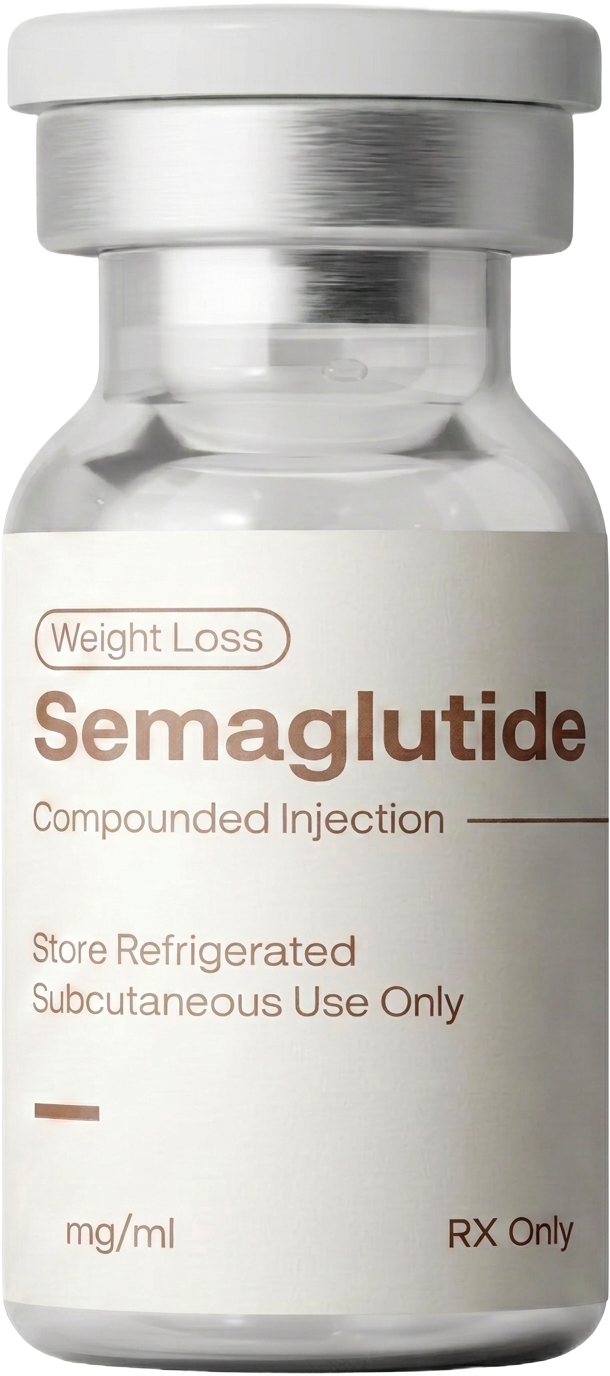
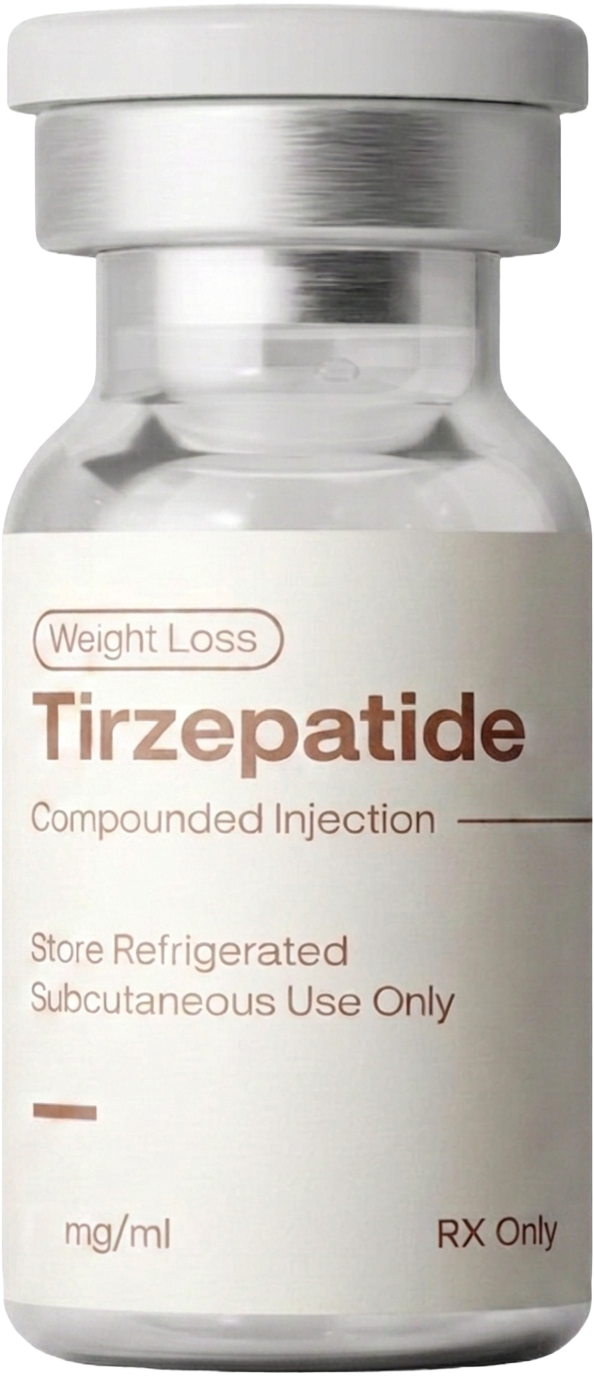
The first GLP-1 medications were developed for type 2 diabetes. Doctors noticed patients were also losing weight, which led to large trials specifically for weight management. Today the best-known brand names are Ozempic and Wegovy (semaglutide injections), Rybelsus (a semaglutide tablet), and Mounjaro and Zepbound (tirzepatide injections).
How GLP-1s work in the body
- Appetite regulationActs on receptors in the brain that govern hunger and satiety, so you feel full sooner and think about food less.
- Slower gastric emptyingFood leaves the stomach more gradually, so you feel full longer after meals. This is also why early side effects are mostly digestive.
- Insulin & blood sugarTriggers insulin release only when glucose rises, and reduces glucose production by the liver — which is why the risk of low blood sugar on its own is low.
- Metabolic effectsSome GLP-1s also improve insulin sensitivity, which supports steadier energy day-to-day.
Your body's own GLP-1 breaks down within a few minutes. The medications are engineered to resist that breakdown, which is why a single weekly injection can keep working for seven days.
What the clinical trials showed
Two large trials set the benchmark for what GLP-1 medications can do when paired with diet and activity changes:
Average body-weight loss over 68 weeks at 2.4 mg weekly, versus about 2.4% with placebo.
Average body-weight loss over 72 weeks at 15 mg weekly, versus about 3% with placebo.
These are averages. Some people lose much more, some less. Results depend on dose, how long you stay on treatment, sleep, protein intake, and whether you keep building activity into your week.
Semaglutide vs. Tirzepatide
Who GLP-1s are for
GLP-1 medications for weight management are generally prescribed for adults with:
- A BMI of 30 or higher, or
- A BMI of 27 or higher plus a weight-related condition such as high blood pressure, high cholesterol, prediabetes, type 2 diabetes, or sleep apnea.
- Have a personal or family history of medullary thyroid carcinoma or MEN2.
- Are pregnant, breastfeeding, or trying to conceive.
- Have had severe pancreatitis — this needs a careful clinician conversation first.
- Have a history of severe allergic reaction to a GLP-1 medication.
Your Taggs clinician reviews your health history, current medications, and goals before any prescription is written. If a GLP-1 isn't right for you, we'll tell you.
Side effects and safety
The most common side effects are digestive: nausea, constipation, diarrhea, reflux, and occasional vomiting. They tend to show up in the first few weeks and after each dose increase, then ease as your body adjusts. Starting low and increasing slowly — called titration — is the single biggest thing that improves tolerance.
Less common but more serious risks include pancreatitis, gallbladder problems, and dehydration from persistent GI symptoms. Severe or lasting stomach pain is a reason to contact a clinician right away.
Because people eat less on a GLP-1, getting enough protein (often 0.7–1 g per pound of goal body weight) and doing some resistance training helps protect muscle while you lose fat.
Full side-effect and titration guideWhat the first months look like
- 1Weeks 1–4
Lowest starting dose. Appetite often quiets within days. Mild nausea is common and usually brief.
- 2Months 2–3
Dose steps up roughly every four weeks based on how you feel. Weight loss usually becomes visible.
- 3Months 4–6
Most people reach their effective dose. Progress is steadier; habits around protein and movement matter more.
- 4Month 6 and beyond
Focus shifts to reaching and holding a goal. Your clinician may hold, adjust, or plan a gradual taper.
Stopping a GLP-1 usually brings appetite back. In the STEP 1 extension, people who stopped semaglutide regained about two-thirds of the weight they had lost within a year — which is why a maintenance plan matters as much as the starting plan.
So which one is right for me?
Honestly, that's a conversation. A responsible answer depends on your starting point, other medications, how your body handles the first few weeks, and what "success" looks like for you. Our clinicians pick a starting molecule and dose with you — and adjust based on how you actually feel, not a preset schedule.
Frequently asked questions
What does GLP-1 stand for?+
GLP-1 stands for glucagon-like peptide-1, a hormone released by the gut after eating. It signals fullness to the brain, slows stomach emptying, and helps the pancreas release insulin when blood sugar rises.
How much weight do people lose on a GLP-1?+
In the STEP 1 trial, adults taking semaglutide 2.4 mg weekly lost about 15% of body weight on average over 68 weeks. In SURMOUNT-1, adults on tirzepatide 15 mg lost about 21% on average over 72 weeks. Individual results vary widely.
Is semaglutide or tirzepatide better?+
Tirzepatide produced more average weight loss in head-to-head data, but semaglutide has a longer track record and some people tolerate it better. The right choice depends on your health history, goals, and how your body responds — a clinician should help decide.
Who should not take a GLP-1?+
GLP-1 medications are not recommended for people with a personal or family history of medullary thyroid carcinoma or Multiple Endocrine Neoplasia syndrome type 2 (MEN2), people who are pregnant or trying to conceive, and they need extra caution with a history of pancreatitis or gallbladder disease.
How long does it take for a GLP-1 to work?+
Many people notice reduced appetite within the first one to two weeks. Meaningful weight change usually shows up over the first two to three months as the dose is gradually increased.
What happens if I stop taking a GLP-1?+
Appetite usually returns. In the STEP 1 extension, people who stopped semaglutide regained about two-thirds of the weight they had lost within a year. Building nutrition, protein, and strength habits during treatment — and tapering with a clinician — helps.
Are GLP-1s taken as a shot or a pill?+
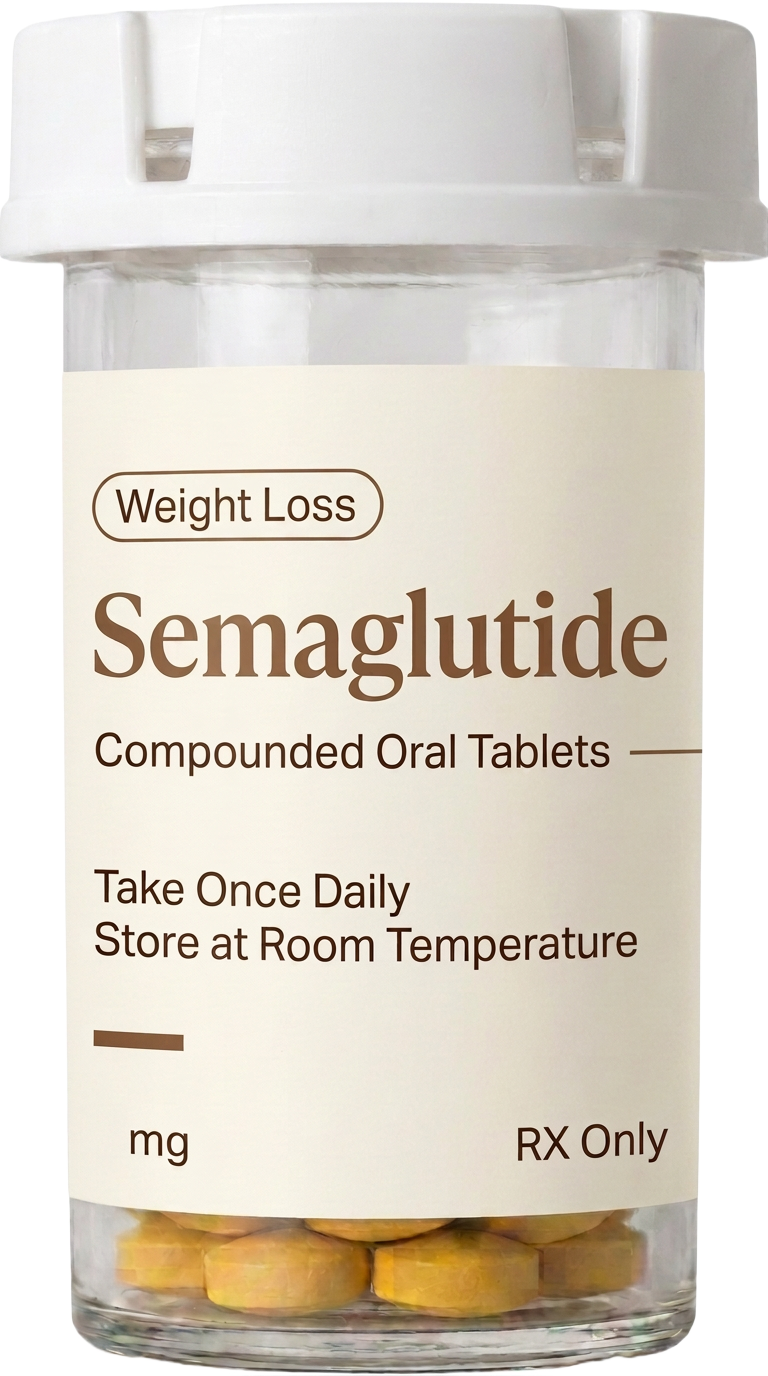
Most are once-weekly injections under the skin. Semaglutide is also available as a once-daily tablet. Taggs offers both injection and tablet options, prescribed after a clinician review.
Sources
- Wilding JPH, et al. Once-weekly semaglutide in adults with overweight or obesity (STEP 1). N Engl J Med, 2021.
- Jastreboff AM, et al. Tirzepatide once weekly for the treatment of obesity (SURMOUNT-1). N Engl J Med, 2022.
- Wilding JPH, et al. Weight regain and cardiometabolic effects after withdrawal of semaglutide (STEP 1 extension). Diabetes Obes Metab, 2022.
This guide is educational and isn't a substitute for medical advice. Compounded medications are not FDA-approved; see our compounded GLP-1 guide for details.
Keep reading
503A vs 503B, FDA status, testing, and what to ask any provider.
The visit, eligibility, shipping, and flat monthly pricing.
What to expect week by week and what actually helps.
Once-weekly GLP-1 injection.
Once-weekly dual GIP+GLP-1 injection.
Injections and once-daily tablets, side by side.