GLP-1 side effects, and how to keep them mild.
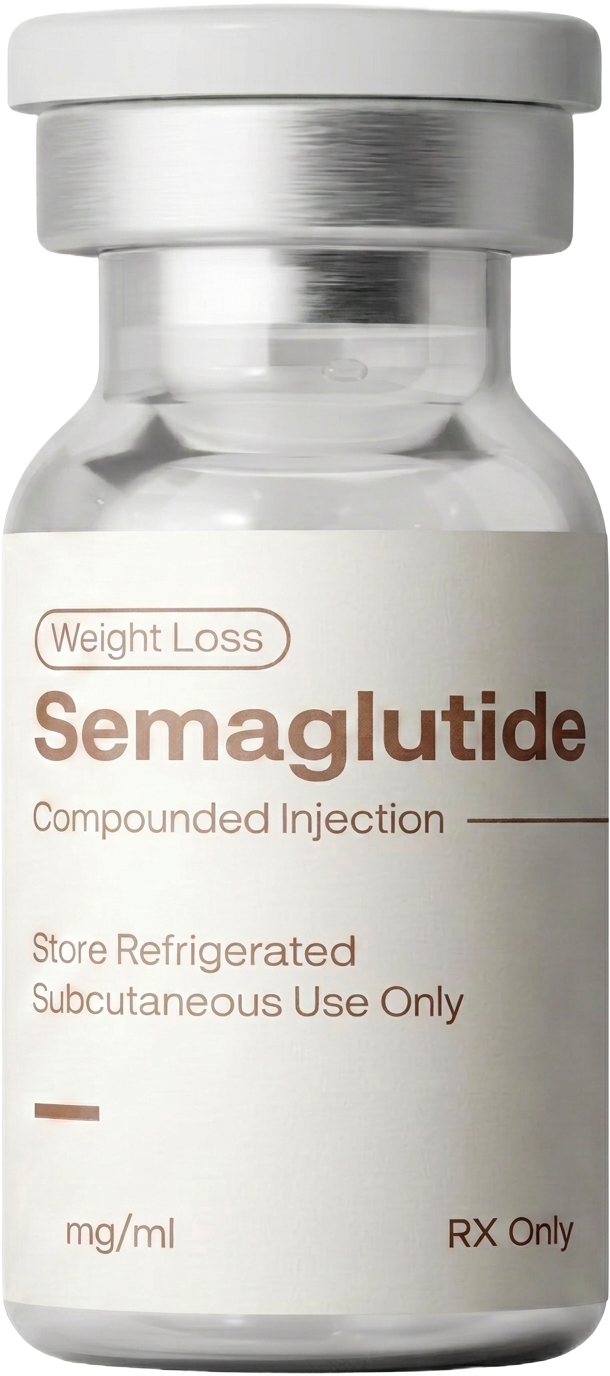
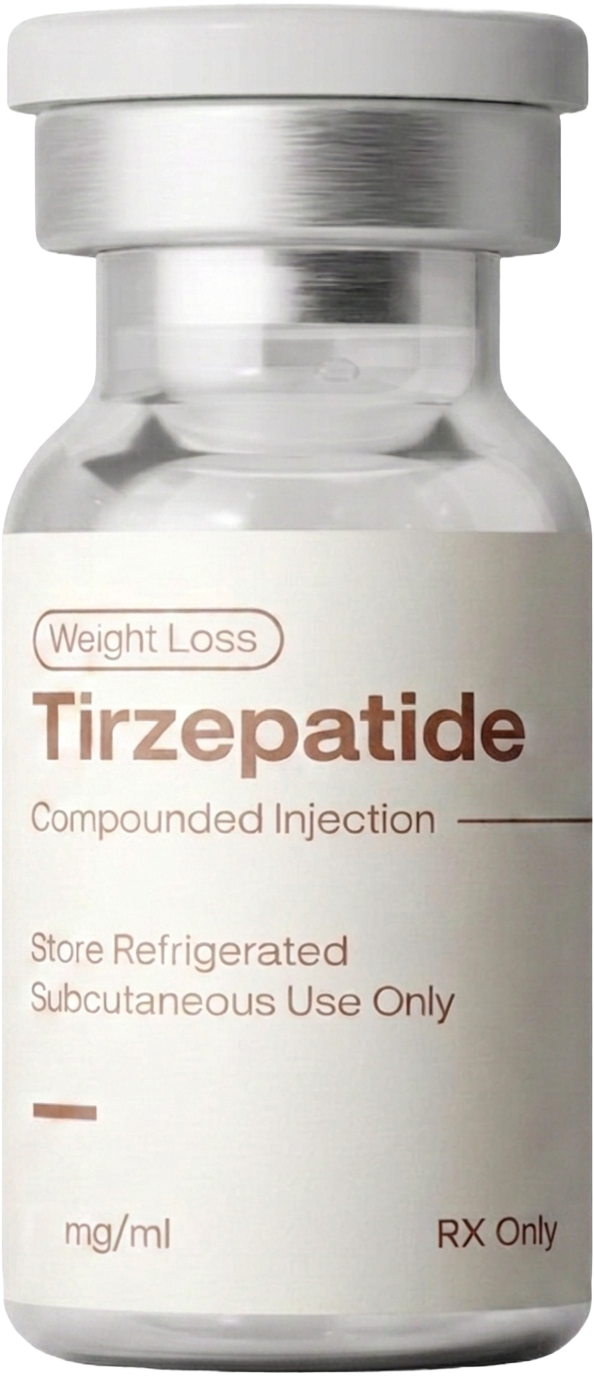
Most side effects of semaglutide and tirzepatide are digestive, mild, and temporary — and most of them are a titration problem, not a medication problem. Here's what to expect week by week, what actually helps, and when to reach a clinician.
The short version
GLP-1 medications slow how quickly your stomach empties and dial down appetite signaling. That is the therapeutic effect — and it's also the source of nearly every side effect people report. Nausea, constipation, reflux and early fullness are the body adjusting to a slower, smaller way of eating.
In the large semaglutide and tirzepatide trials, the overwhelming majority of these effects were graded mild to moderate, appeared during dose escalation, and resolved without stopping treatment. The patients who struggle most are usually the ones who moved up doses fastest — which is exactly the variable a clinician controls.
What to expect, and when
Frequencies are approximate and drawn from published semaglutide (STEP) and tirzepatide (SURMOUNT) trial reporting. They describe branded, FDA-approved products studied at full titration and are provided for education — your experience depends on dose, pace and individual response.
Why titration is the real fix
Starter doses exist for tolerance, not results. Semaglutide begins at 0.25 mg weekly and tirzepatide at 2.5 mg weekly — neither is a weight-loss dose. They buy your gut four weeks to adapt before anything therapeutic arrives.
Every rung after that follows the same rule: step up only when you feel well at the dose you're on. A patient who holds at 5 mg for eight weeks instead of four almost always ends up further along at month six than one who pushed to 10 mg and spent a month nauseated. At Taggs, your clinician sets that pace with you, and holding a dose costs you nothing extra.
Six things that actually help
Your stomach empties slower now. Stopping one or two bites early is the single most effective way to prevent nausea and reflux.
Greasy, fried, and very sweet foods sit heaviest on a GLP-1. Lean protein and simple carbs are far better tolerated in the first weeks.
Aim for steady fluid through the day rather than large volumes with food — and add electrolytes if intake has dropped sharply.
Fiber, fluid, daily movement, and a magnesium or gentle stool softener if your clinician agrees. Don't wait until day five.
Same day each week, and consider dosing in the evening so the strongest hours of any nausea fall while you sleep.
Holding at your current dose an extra few weeks costs you very little progress and often resolves symptoms entirely.
When to contact a clinician
Rare but serious reactions — pancreatitis, gallbladder disease, severe dehydration, allergic reaction — are why GLP-1s are prescription medications. Stop and reach out right away if you notice:
- Severe or persistent abdominal pain, especially pain that radiates to your back
- Vomiting that stops you keeping fluids down, or signs of dehydration
- Severe constipation with bloating and no bowel movement for several days
- Rapid heartbeat, fainting, or vision changes
- Swelling of the face, lips, or throat, or difficulty breathing
- A lump or swelling in the neck, hoarseness, or trouble swallowing
This page is general education, not medical advice, and does not replace a consultation. For a medical emergency, call 911.
Common questions
What are the most common side effects of semaglutide and tirzepatide?
Gastrointestinal effects lead the list: nausea, constipation, diarrhea, reflux, burping, and early fullness that tips into feeling overfull. In the large semaglutide and tirzepatide trials, nausea was reported by roughly 20–30% of patients, and most cases were mild to moderate and temporary.
How long do GLP-1 side effects last?
Most GI symptoms show up in the first one to two weeks after starting — or in the week after a dose increase — and settle within two to four weeks as your gut adapts. Symptoms that keep getting worse, or that appear months into a stable dose, are worth a message to your clinician rather than waiting them out.
Does tirzepatide cause more side effects than semaglutide?
In head-to-head data the side-effect profiles are similar in kind and frequency; tirzepatide's dual GIP+GLP-1 action does not appear to make GI symptoms categorically worse. What matters far more than the molecule is titration speed — stepping up too quickly is the single most common reason patients feel bad on either drug.
How do I stop nausea on a GLP-1?
Eat smaller portions and stop at the first sign of fullness, favor bland low-fat protein over greasy or very sweet foods, sip fluids between meals rather than with them, and avoid lying down right after eating. If nausea is limiting your day, your clinician can hold you at your current dose instead of stepping up, or extend the interval between increases.
Can side effects be avoided by starting at a lower dose?
Largely, yes. Starter doses — 0.25 mg semaglutide, 2.5 mg tirzepatide — are deliberately non-therapeutic; they exist to let your gut adapt. Staying at each rung for about four weeks and only stepping up when you feel well is what keeps side effects mild for most patients.
When should I contact a clinician about a side effect?
Reach out promptly for severe or persistent abdominal pain (especially pain radiating to the back), repeated vomiting or an inability to keep fluids down, signs of dehydration, severe or worsening constipation, or any allergic-type reaction such as swelling or trouble breathing. Your Taggs care team is reachable throughout your program at no extra charge.
Do side effects mean the medication is working?
No. Appetite reduction and side effects are related but not the same thing — plenty of patients lose weight steadily with almost no nausea. Feeling unwell is not a requirement for results, and it is not a reason to push through in silence.
Related reading
Side effects are manageable when someone is managing them with you.
Every Taggs program includes clinician oversight, unlimited messaging, and a titration plan built around how you actually feel.