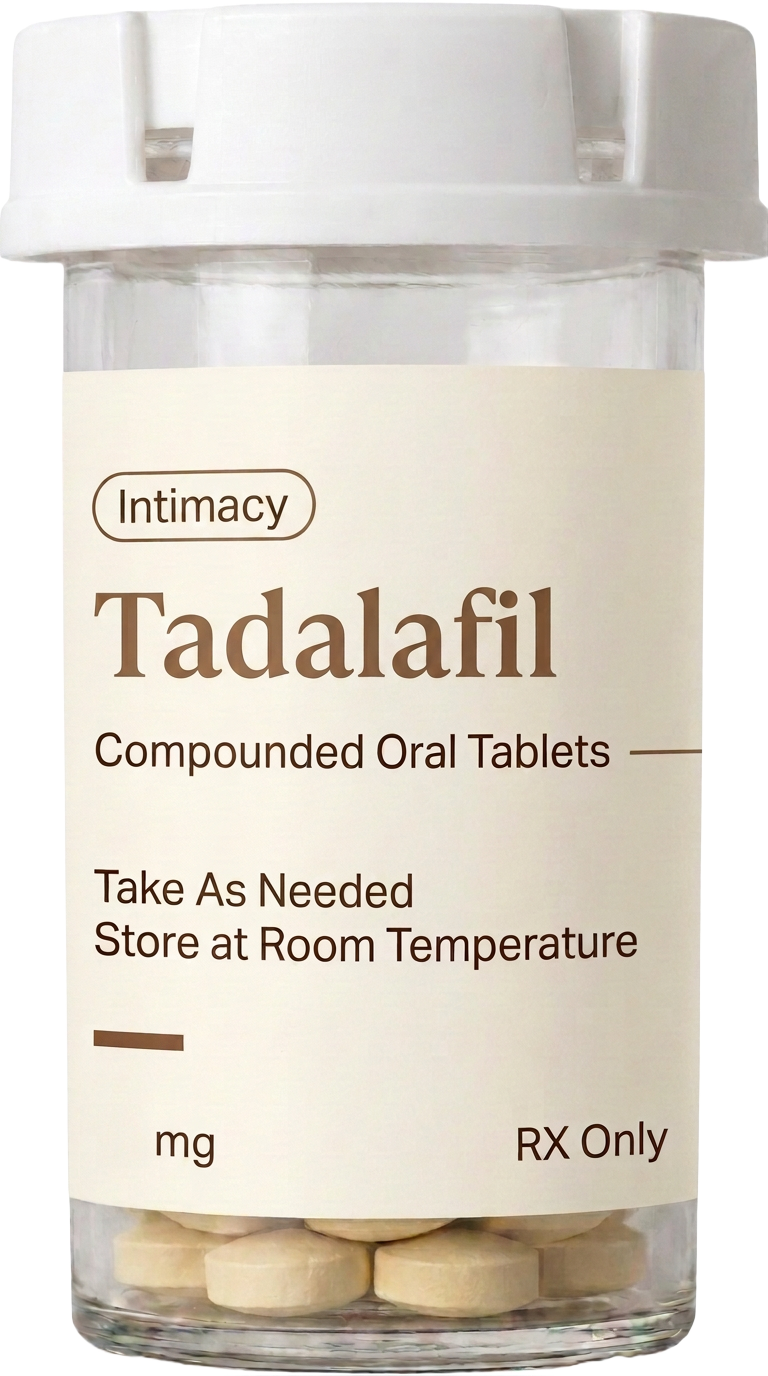
GLP-1 care that meets you where you are.
GLP-1s aren't willpower in a syringe or pill — they quiet the food noise so the habits you're already working on can actually stick. Two proven molecules, semaglutide and tirzepatide, available as a weekly injection or a once-daily oral tablet — and a clinician who reads your chart before writing a script.
How GLP-1s work
GLP-1 (glucagon-like peptide-1) is a hormone your gut releases after eating. It tells your pancreas to release insulin, slows how quickly your stomach empties, and signals your brain that you're satisfied. GLP-1 medications are lab-made versions of that hormone that stay active for days instead of minutes — so the "I'm full" signal stays on long enough to reshape how much you eat.
- Appetite regulationActs on brain receptors that govern hunger and satiety — cravings quiet down.
- Slower gastric emptyingFood leaves the stomach more gradually, so meals keep you full longer.
- Blood sugar & insulinTriggers insulin release when glucose rises and reduces liver glucose output.
- Metabolic effectsSome GLP-1s also improve insulin sensitivity, supporting steadier daily energy.
Is a GLP-1 the right fit?
Your clinician looks at BMI, weight history, labs (if necessary), and any conditions before prescribing. GLP-1s tend to be a strong fit if:
- You have significant weight to lose and diet-and-exercise alone hasn't held.
- Food noise — constant thoughts about the next meal — dominates your day.
- You have insulin resistance, pre-diabetes, or type 2 diabetes in your history.
- You'd rather avoid needles — the same medications come as a once-daily tablet.
- You want a plan, follow-ups, and dose adjustments — not a one-time script.
Semaglutide vs. Tirzepatide
Injection or tablet?
Both semaglutide and tirzepatide now come in two formats. The active molecule is the same — what changes is how you take it, and how your clinician titrates the dose.
Weekly injection
One small subcutaneous shot a week with a fine needle. The longest track record, the widest dose range, and the easiest to titrate upward when you plateau.
- Once a week — set it and forget it
- Widest titration range
- Supplies included with every order
Once-daily oral
A daily tablet for anyone who'd rather skip needles entirely, or who travels often and doesn't want to manage a weekly dose at home. Take it on an empty stomach with a sip of water.
- No needles, no sharps disposal
- Simple to travel with
- Smoother, gradual daily dosing
Not sure which fits? Pick either in your assessment — your clinician will confirm the format and starting dose, and you can switch between injection and oral later at no extra cost.
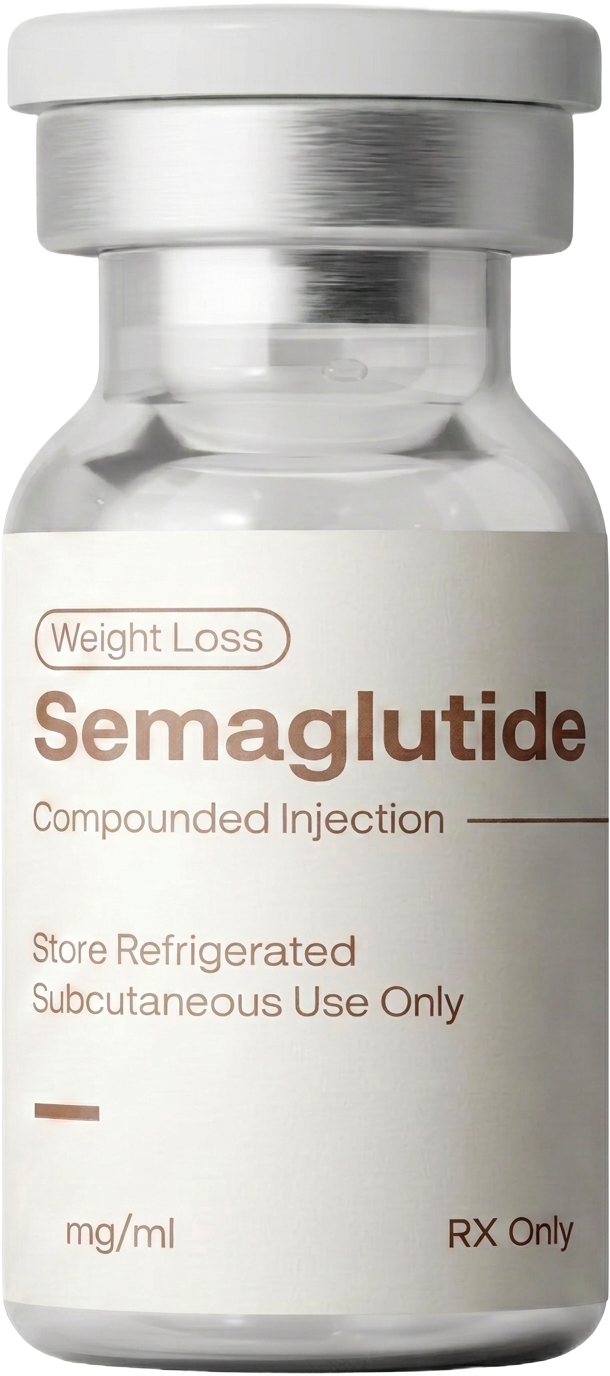
Semaglutide
A once-weekly GLP-1 with a gentle titration. Common first step for steady appetite control.
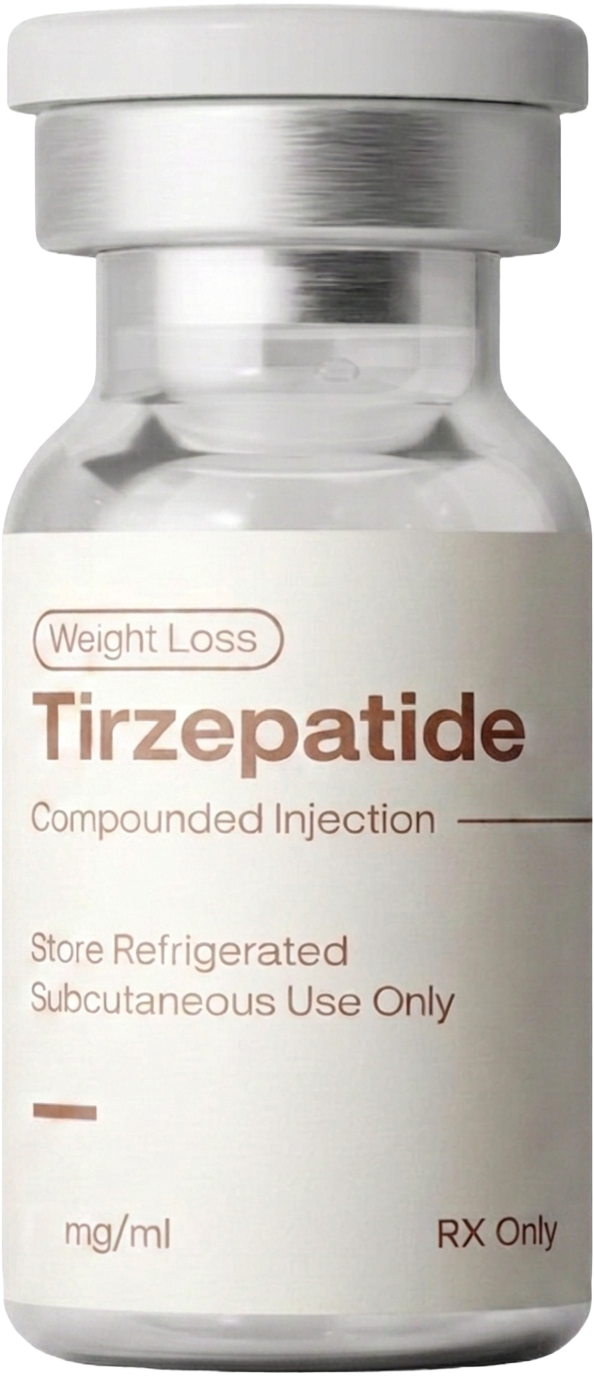
Tirzepatide
A dual GIP+GLP-1 that pairs appetite reduction with improved insulin sensitivity.
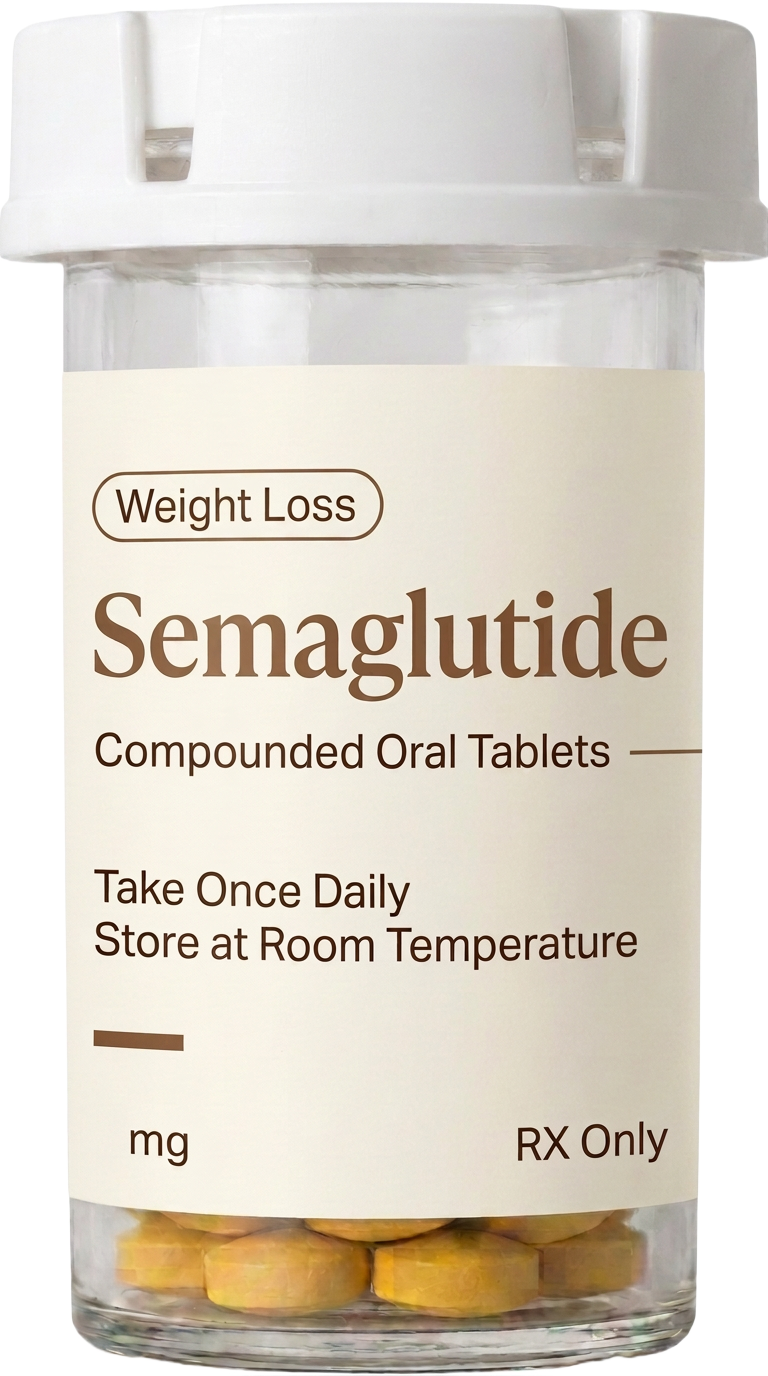
Oral Semaglutide
A once-daily GLP-1 tablet. Same molecule as the weekly injection, no needle required.
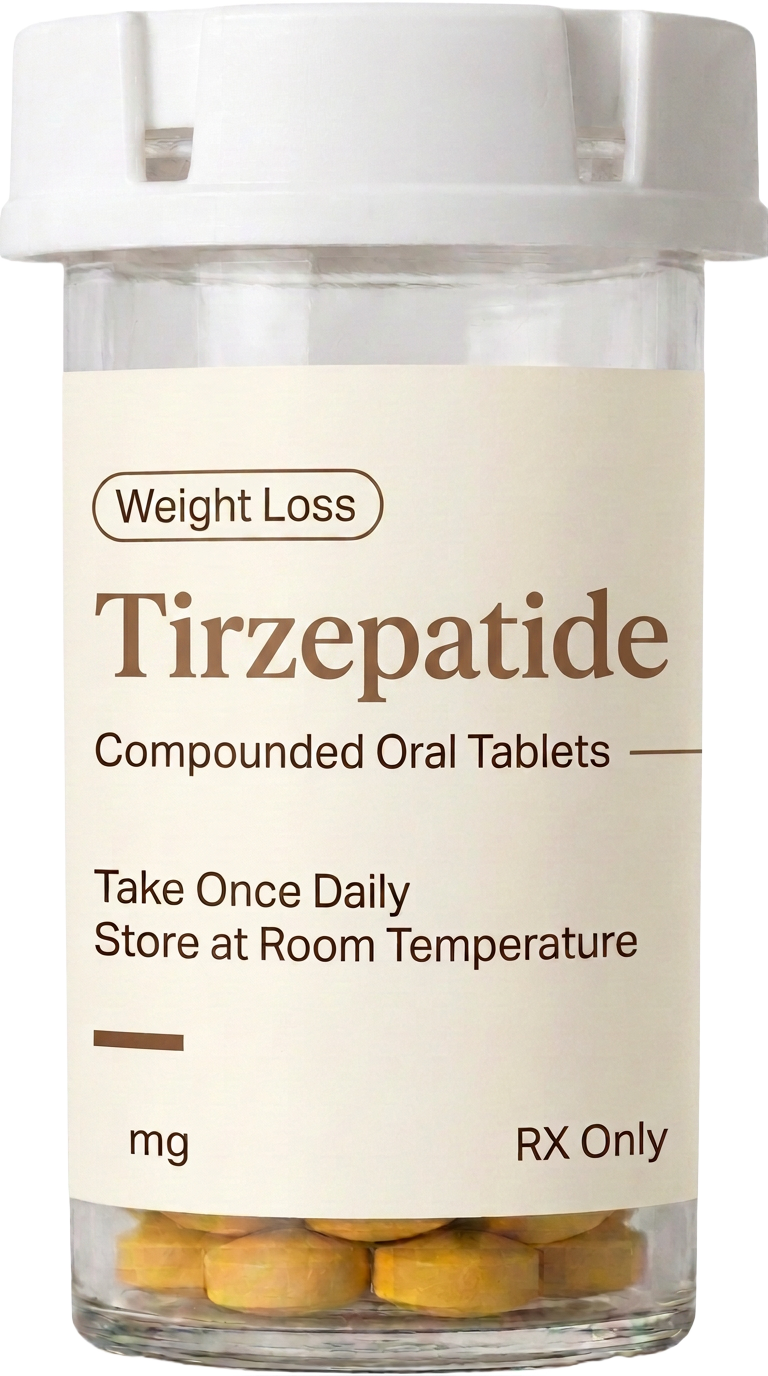
Oral Tirzepatide
A once-daily dual GIP+GLP-1 tablet for deeper appetite control, needle-free.
PCAB-accredited pharmacy
Every prescription is filled by our named PCAB-accredited compounding pharmacy in the U.S. You'll know exactly who makes your medication before you pay.